
Lino Lakes Previous Residents by Record Era
Previous residents leave different kinds of traces across time. Begin with a current parcel and move backward through recorded instruments, historical listings, maps, and household sources. The best source depends on the period: a deed links legal parties, a telephone directory may identify a subscriber, and a census identifies a household for its census date. The table separates these roles so a house-history search does not turn a single name into an unsupported claim about occupancy.
| Source | Years It Covers | Where Held | What It Shows |
|---|---|---|---|
| Recorder land archive | Permanent archive; public web start year not verified | Anoka County, including Room 119 | Recorded parties, instruments, legal descriptions, and document references |
| Property Access and GIS | Current and modern records | Anoka County | Parcel, situs address, assessment or sales context, plat, and map clues |
| Lino Lakes telephone directories | 1960–2011, with gaps | MNHS | Listed subscriber and address clues by available year |
| Ownership plats | 1888, 1914, and 1932 | ACHS | Earlier tract and ownership context |
| Census routes | ACHS 1857–1920; federal schedules public through 1950 | ACHS and National Archives | Dated household, age, birthplace, and relationship clues |
| Anoka County newspapers | Union 1865–2002; Herald 1885–1960 | ACHS microfilm | Notices, obituaries, events, and land or subdivision context |
For a modern address, validate the parcel before reading older material. For a mid-century question, compare the closest available telephone-book years. For an earlier tract, use plats and census material first, then use a legal description to link that geography to later records.
Start Lino Lakes Previous Residents With a Parcel
Use Anoka County’s Property Access and GIS as the modern starting point. Save the parcel identification number, situs address, parcel outline, legal or plat context, and any available current assessment or sales information. The situs address is the location of the parcel. A tax mailing address can point somewhere else. County GIS can search an address, parcel ID, plat boundary, or half section, and it displays current and historical aerials, plats, labels, measurements, and map tools.
Lino Lakes property information routes address research to the county’s GIS and property systems.
Do not infer an owner from a map alone. Check Property Access for the relevant property-card information, then use the Recorder for the legal party history. If a parcel split or merged, preserve both old and new parcel numbers before going backward.
Working Back Through an Anoka County Deed Chain
The Recorder and Registrar preserve Anoka County’s permanent land archive. Start from the most recent recorded document and search every named party in the grantor and grantee indexes. Match the legal description at each change, because street addresses can shift while the legal description supplies the stronger connection. The county’s online access pages do not state an exact web-index start year. Older work therefore belongs at the public research terminals in Room 119, not in a guessed online cutoff.
- Validate the address in GIS and save the parcel number, situs address, plat, and full legal description.
- Locate the most recent recorded instrument through the county’s documented grantor and grantee access route.
- Record the instrument type, recording and execution dates, document number or book and page, legal description, and each party’s role.
- Search the apparent seller or prior party as a grantee to locate the earlier acquisition, then repeat the process backward.
- When the web result or image is unavailable, use Room 119 at the Government Center, open weekdays 8:00–4:30 except holidays, or contact Property Records & Taxation.
- Stop and compare plats, parcel changes, and abstract or Torrens indicators if the legal description changes.
- Grantor
- The party transferring or giving an interest in a recorded instrument.
- Grantee
- The party receiving an interest in that instrument. The role is a record-index label, not proof of residence.
- Chain of title
- The linked sequence of recorded interests traced through earlier instruments for the same legal parcel.
- Legal description
- The plat, lot, block, section, or other formal land description used to keep a parcel connected when a street address changes.
Anoka County Recorded Document Access explains the grantor/grantee service, public terminals, and image-access options.
Lino Lakes Previous Residents Through Legal Descriptions
A street number is helpful, but it is not the whole historical identity of a Lino Lakes parcel. An older record may use a subdivision, plat, half section, township and range, nearby road, lake, or tract label. Anoka GIS supports Plat Boundaries and Half Sections, and its official tips show parcel IDs with or without hyphens. If the deed chain stops matching a modern address, compare the old and new legal descriptions rather than forcing the address match.
The 1888, 1914, and 1932 ACHS ownership plats are especially useful for this translation. They show ownership or tract context, not a complete household list. A 1932 label, a later telephone listing, and a modern deed can all concern the same parcel while documenting different people and dates.
Note: No direct Lino Lakes street-renumbering or annexation schedule for a selected address was verified in the research sources.
Pairing Lino Lakes Previous Residents With Census Years
Telephone directories help bridge the long spaces between household snapshots, but the local run is incomplete and identifies a listed subscriber rather than everyone in a home. Pair the sources by date. Use a directory year near the address first, then move to the correct census period for household composition. Census work may require enumeration-district and boundary research when the address is old or rural in form.
- Choose a telephone-directory year nearest the deed or newspaper date and capture the subscriber and address exactly.
- Check the next available local volume, not an assumed annual sequence, for continuity or a changed address.
- For an earlier period, match the location to the applicable census schedule and record the census year and district.
- Use a newspaper, plat, deed, or vital index to test a move, death, relationship, or address change.
- After 1950, use deeds, directories, permits, newspapers, and vital sources because later individual federal schedules are not public yet.
National Archives census guidance explains the federal census and the 72-year release rule.
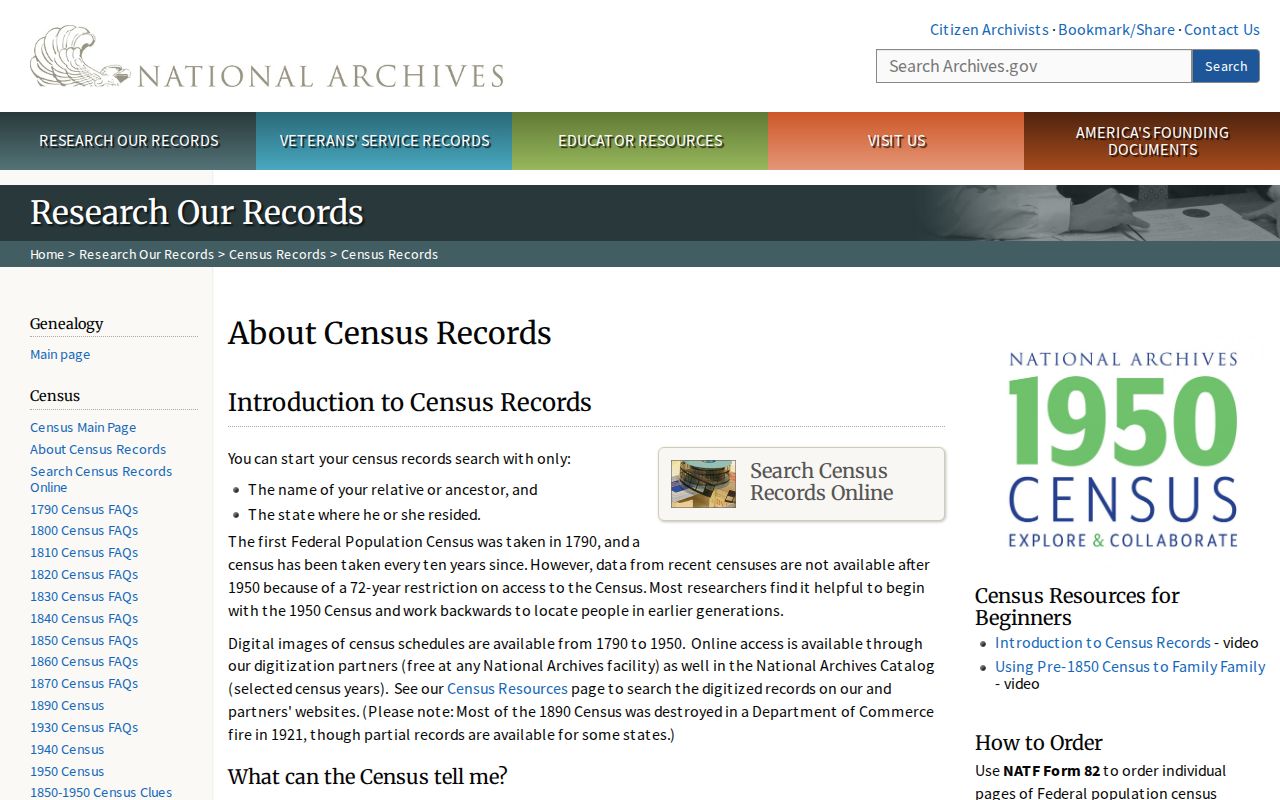
The documented gap after the 1950 census is normal. It is not evidence that a prior household did not exist.
Lino Lakes Previous Residents and Vital-Date Clues
Birth, marriage, and death finding aids can narrow dates and relationships when the source and access rules fit the question. MNHS describes Anoka County birth material from 1870 to 1945, marriage material from 1858 to 1971, and death material from 1870 to 1945. These are finding-aid and reel routes, not a promise that every detail is publicly displayed online. Keep an event clue separate from a claim that someone occupied a particular address.
The MNHS Anoka County birth-record finding aid identifies the historical birth collection.
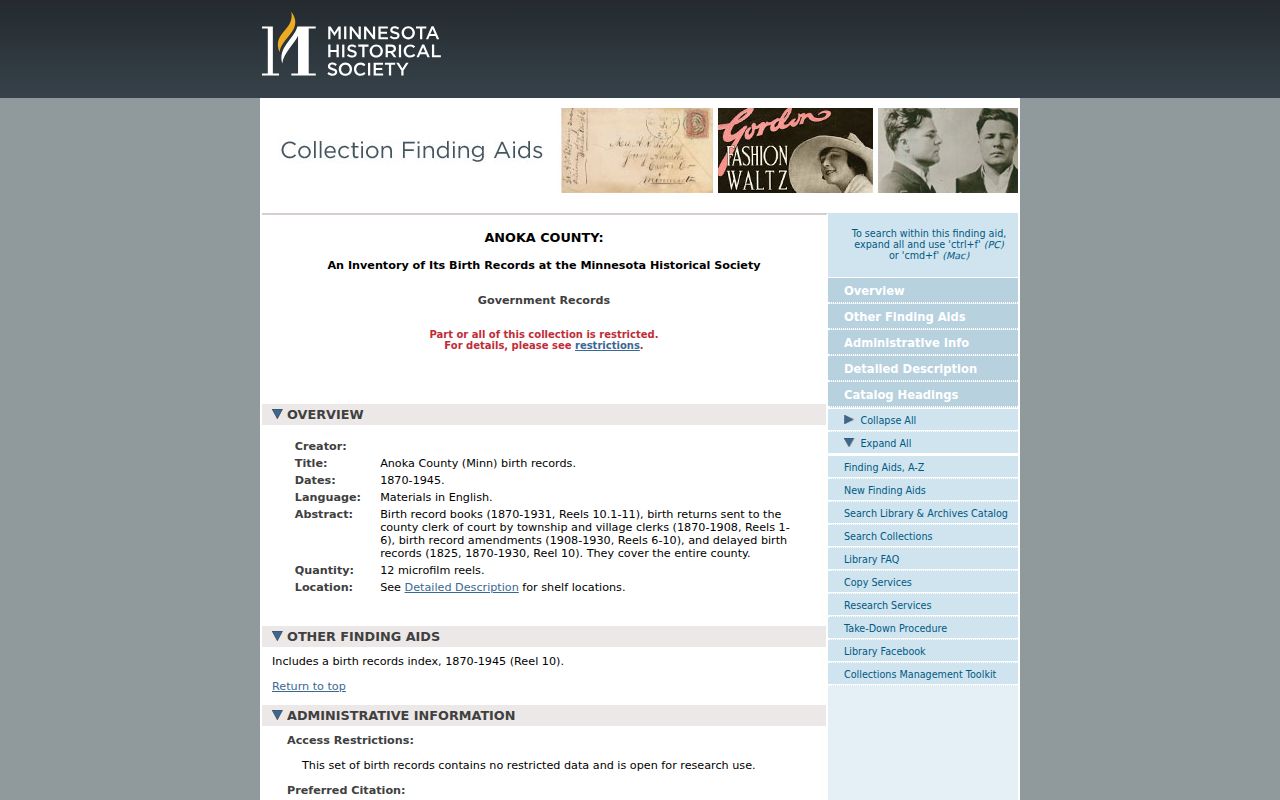
A birth record can add a date or parent connection to a broader timeline, but it does not replace a parcel or directory record.
The MNHS Anoka County marriage-record finding aid describes the marriage reels and their coverage.
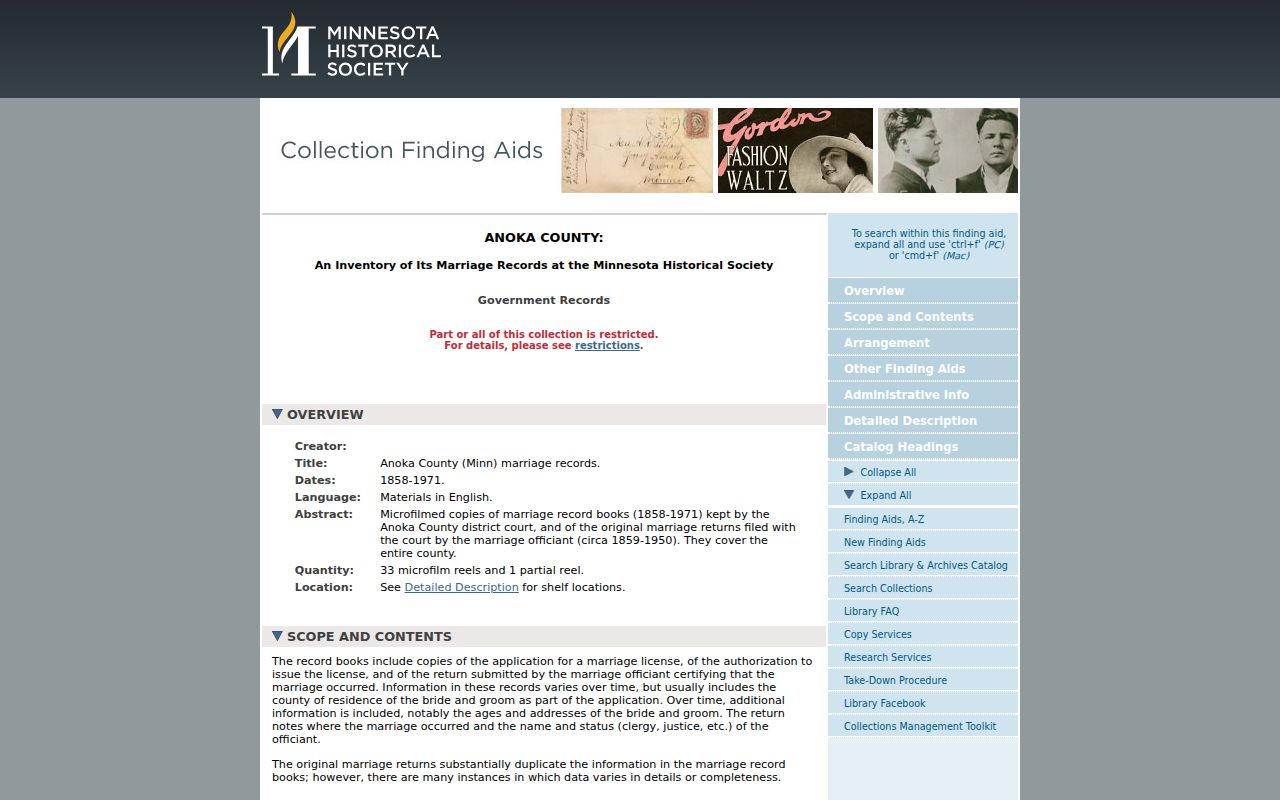
A marriage event may help distinguish same-named people or explain a surname change, subject to the collection’s fields and restrictions.
The MNHS Anoka County death-record finding aid is the route for the historical death collection.
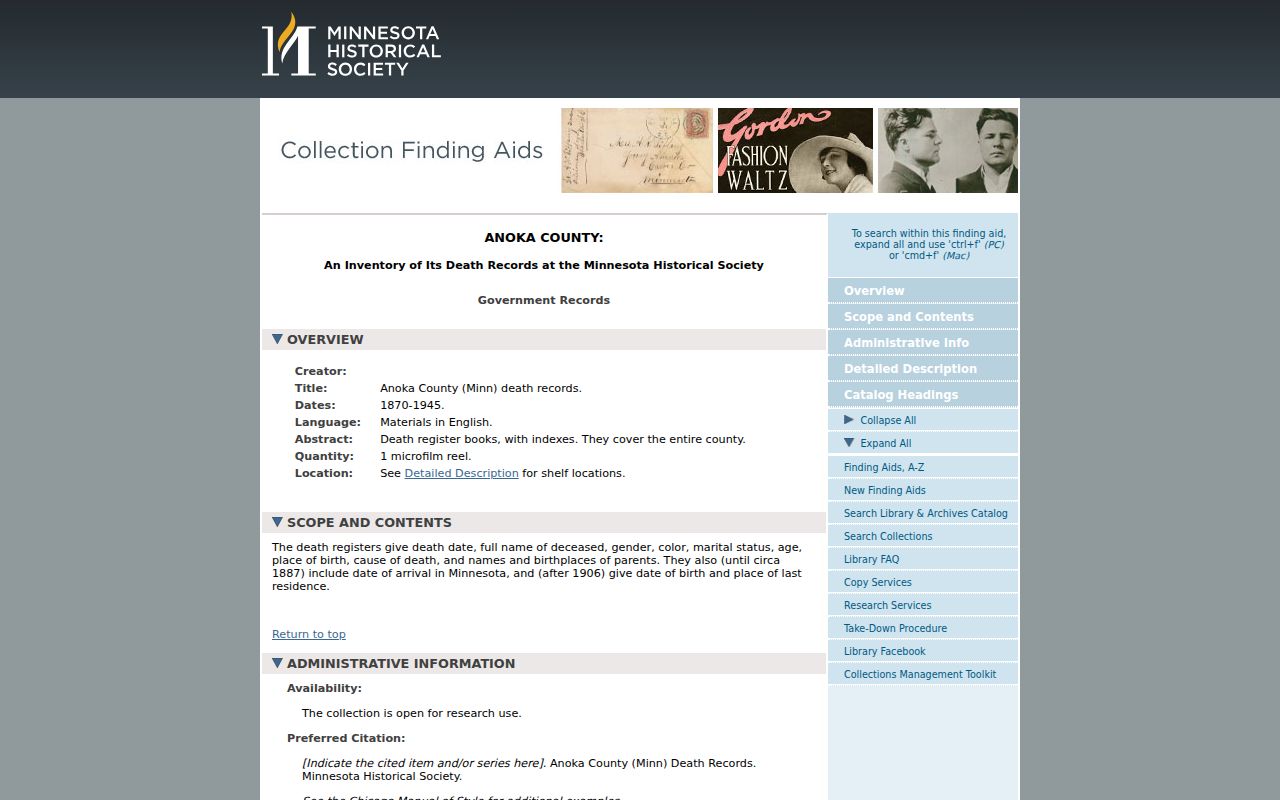
For obituary research at ACHS, first obtain an exact death date. The historical society will not perform an obituary microfilm search without one.
Lino Lakes Previous Residents Through People-First Research
ACHS recommends a people-first approach to house history because structures are often less fully documented than the people tied to them. Bring the exact address, cross streets, parcel number, older owner names when known, approximate construction or alteration dates, and any street-name variant. Its staff and volunteers offer basic microfilm training. The request form asks for a specific question and the name, address, and date clues already available.
The ACHS research request form sets out the paid research route and copy policy.
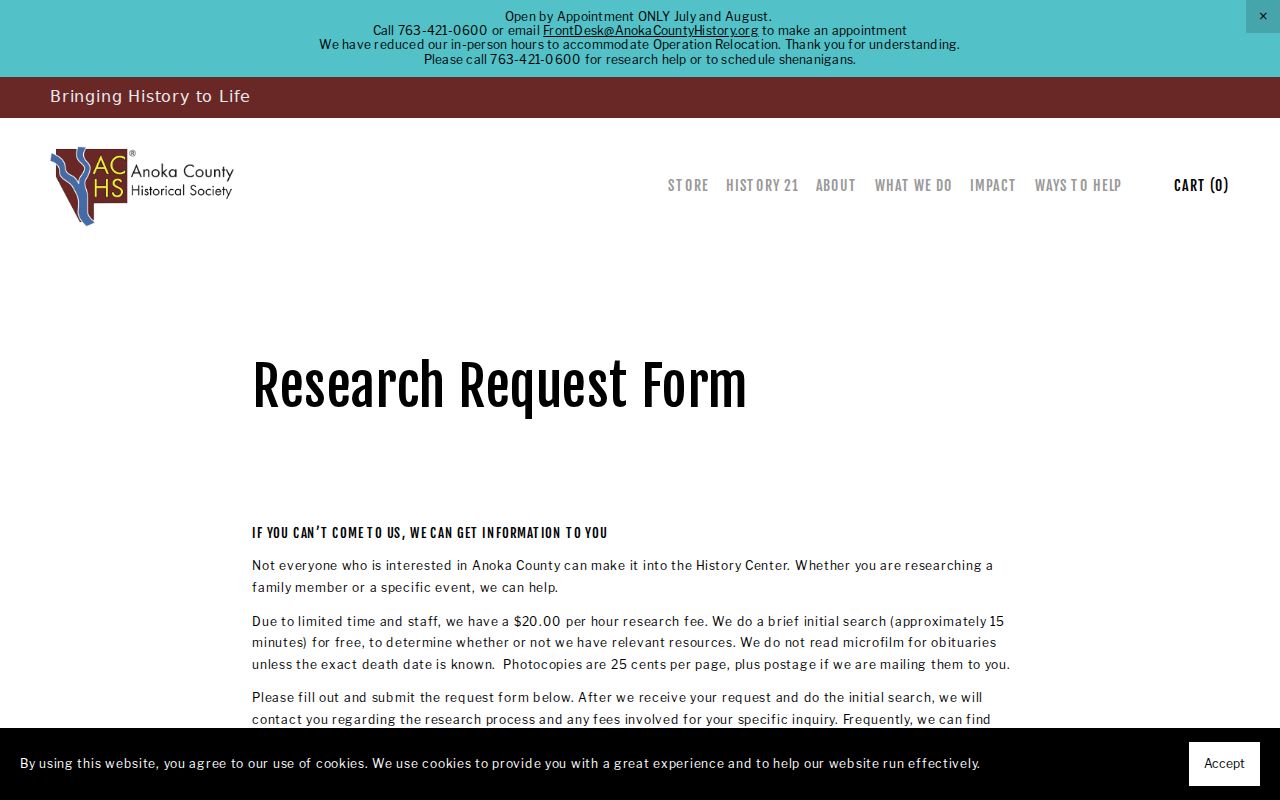
The form provides a free fifteen-minute initial search. Further research is $20 per hour, with copies charged at 25 cents per page plus postage. The Anoka County Library catalog can also route a researcher to ACHS holdings through Advanced Search.
Lino Lakes Previous Residents and Known Gaps
Several limits should stay visible in a completed trail. Anoka County calls its recorded-land archive permanent, but the exact public web-index cutoff was not verified. No public scan of a Lino Lakes directory entry was located. No direct city street-renumbering schedule for a selected address was verified. The MNHS local telephone run has gaps, and the public ACHS collection is only a portion of its larger research collection. None of those conditions proves a person or a record is absent.
Use Room 119 for older recorder or tract-record research, ACHS for maps, microfilm, internal collection material, and house-history help, and MNHS for finding aids, reels, paid directory searches, research service, or interlibrary loan. For an existing city record not posted online, the Lino Lakes data-request process is an additional documented route. The full historical listing collection is described in the Lino Lakes city directory collections.
Finishing a Lino Lakes Previous Residents Trail
Finish by organizing the evidence as a dated sequence. A useful worksheet gives each clue a source, date, person or party as printed, parcel or address reference, and a narrow statement of what it supports. A telephone listing can support a listed contact at an address. A deed can support a recorded legal-party connection. A newspaper can support a dated notice. A permit can bracket construction or alteration. The distinctions keep past-resident research accurate when records point in more than one direction.
Obituaries, cemetery material, probate records, and local newspaper notices may close an individual’s timeline, but they do not automatically locate a person at the property at the time of death. Compare each item against the relevant directory year, parcel history, and household source.
Lawful use. Use Lino Lakes previous-resident research for family history, estate or heir matters, property history, and personal records research. Do not use it to track, harass, or harm a living person; Minnesota law prohibits stalking and harassment.